
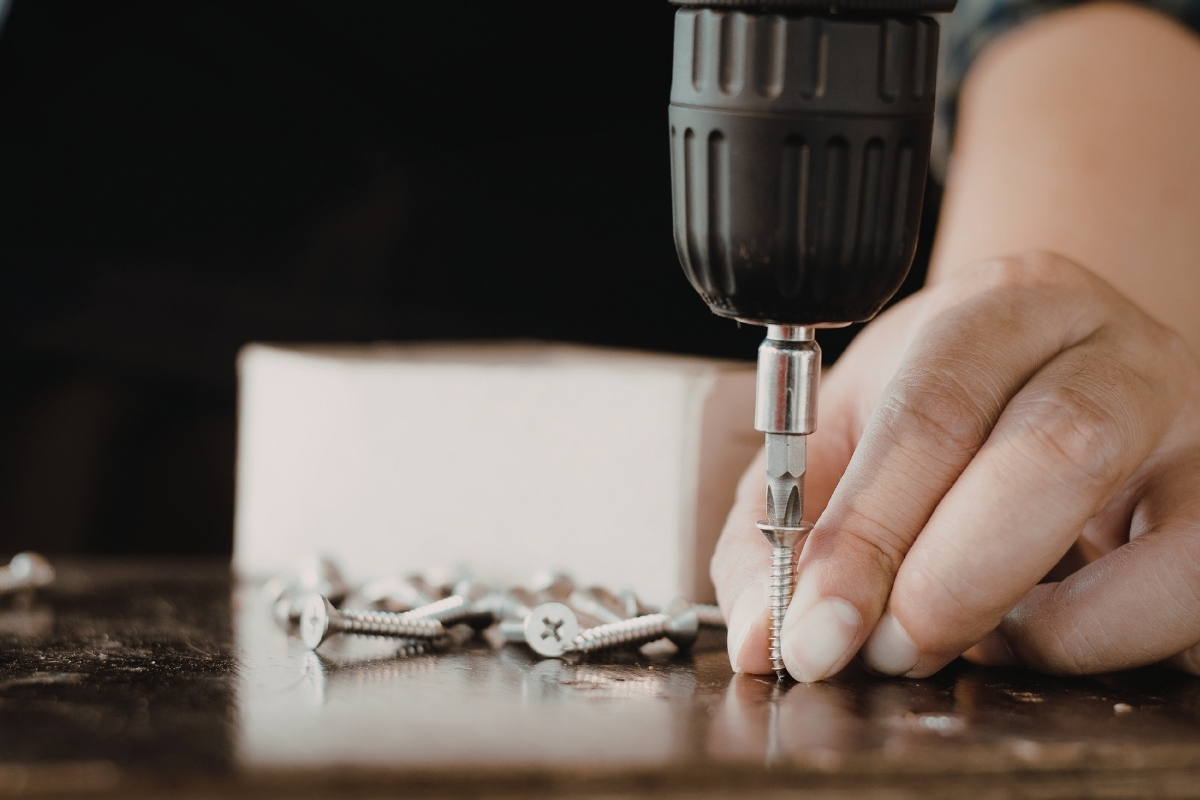
Spend enough time around Indian construction sites, and you learn to respect the small things. A roofing sheet that rattles after three monsoons. A steel frame that shifts under load because someone cut corners on fasteners. These are not dramatic failures. They are quite expensive ones, and they almost always trace back to a fastener decision made in haste.
In 2026, the self-tapping screw has earned its place as one of the most practical fastening tools across Indian manufacturing and construction. The reason is straightforward: it drills, taps, and fastens in one go, saving labour time on large projects where those minutes add up to real money.
The numbers behind India’s infrastructure growth tell you why this matters at scale. According to the Ministry of Steel, India produced over 125 million tonnes of steel in FY2023-24. The National Infrastructure Pipeline has outlined planned investments of over Rs. 111 lakh crore through 2025. And, according to MoSPI, India’s construction sector is projected to reach Rs. 71 lakh crore by 2030. All of that steel, all those structures, need reliable fastening at every joint.
What Are Self-Tapping Screws?
A self-tapping screw creates its own thread as it goes into the material. No pre-drilled pilot hole, no separate tapping step. For sites using thin screws for metal sheets or assembling structures in phases, this translates directly into faster installation and fewer process steps.
They also work across screws for wood and plastic applications, which is part of why they appear on so many different project types. The three main variants each suit a specific use case:
| Type | Best For | Main Advantage |
| Thread-Forming | Soft metals, plastics | No material removal, clean finish |
| Thread-Cutting | Hard or thick metals | Precise threading, handles tough materials |
| Self-Drilling (TEK) | Steel roofing and structures | Drills and fastens in a single pass |
Matching the right type to the base material is step one. The best screws for sheet metal on a 1.2mm aluminium panel will not necessarily perform the same way on a 3mm steel purlin, and that difference matters when you are fastening hundreds of sheets on a single project.
Why Self-Tapping Screws Are Popular in 2026
The reasons contractors across India keep coming back to self-tapping screw metal solutions are practical rather than technical. Labour is a cost. Installation time is a cost. Rework is an even higher cost. These screws address all three.
- Speed:
Skipping the pre-threading step cuts down hours on large roofing and cladding jobs.
- Fewer tools on site:
Simpler installation reduces equipment management on active projects.
- Strong, vibration-resistant joints:
The thread formed during installation holds firmly over time, which matters in roofing and industrial settings.
- Broad compatibility:
One screw type covers steel frames, timber purlins, and plastic sheeting, depending on the variant selected.
Latest Materials Used in Metal Screws
Material selection in screw manufacture has grown more deliberate as Indian projects diversify geographically. A warehouse going up near the Visakhapatnam coast faces very different environmental conditions than a factory shed in Rajasthan. That difference needs to show up in the fastener specification.
| Material | Key Strength | Common Use |
| Carbon Steel | High tensile strength, affordable | PEB structures, general industrial construction |
| Stainless Steel | Excellent corrosion resistance | Coastal projects, outdoor roofing |
| Alloy Steel | High load-bearing capacity | Heavy machinery, structural assemblies |
| Aluminium | Lightweight, adequate strength | Automotive panels, electronics enclosures |
Coastal projects in particular are increasingly specifying stainless-grade screws for metal sheets as a standard requirement rather than an upgrade, because replacing corroded fasteners mid-project costs far more than specifying correctly from the start.
New Coating Technologies for Better Durability
The coating on a self-tapping screw is not decorative. It determines how long that fastener performs in its actual working environment. In roofing screws installation, coating failure is one of the more common causes of water ingress and sheet damage over the long term.
- Zinc plating:
Standard protection, reliable for sheltered or indoor applications.
- Galvanised finishes:
The practical choice for outdoor roofing across India’s monsoon-affected regions.
- Ceramic coatings:
Used where chemical exposure or high temperatures make standard coatings insufficient.
- Black oxide:
Mild protection with a clean appearance, suited to dry interior work.
Experienced nut bolt manufacturers and project managers evaluate coating requirements against actual site conditions, not just product categories. The wrong coating in the right structure still fails.
Smart Manufacturing Trends in Screw Production
Indian screw manufacturing is integrating automation and digital quality control at a pace that was not visible five years ago. Export requirements and domestic clients specifying tighter tolerances have both accelerated this shift.
- Automated thread forming:
Reduces variation between batches, which becomes noticeable when fastening hundreds of panels across a single structure.
- Real-time defect detection:
Sensor systems catch out-of-specification screws during production rather than after delivery.
- Digital dispatch systems:
Improve delivery reliability for large orders with phased project timelines.
Eco-Friendly Screw Manufacturing Trends
Sustainability requirements are showing up in procurement checklists for government-linked and ESG-committed projects across India. In nut bolt manufacture, this translates into real production changes.
- Use of recycled and secondary steel in production
- Energy-efficient heat treatment processes
- Low-emission coating applications replacing older solvent-based methods
- Reduced material waste through precision thread-cutting technology
Common Uses of Self-Tapping Screws in Metal
The application range for self-tapping screw metal solutions across the Indian industry is wide enough that most professionals encounter them across several project types every year.
- Pre-engineered buildings:
Structural steel assembly and roofing installation across India’s industrial corridors.
- Metal roofing:
Crest and valley fixing applications using purpose-built screws for metal sheets.
- HVAC ducting:
Thin-gauge sheet metal work where the fastener must hold without deforming the material.
- Modular construction:
Faster assembly requirements make self-tapping variants practical over traditional bolt-and-nut approaches.
Tips to Choose the Right Self-Tapping Screw in 2026
Choosing the wrong fastener costs more than the price of the screw. The right specification starts with these factors:
- Match screw material to base metal:
Incompatible metals corrode faster, particularly in coastal and humid environments.
- Thread type for material hardness:
Fine threads for hard metals, coarse threads for softer or thicker materials.
- Coating for site conditions:
Outdoor and roofing projects need galvanised at a minimum. Coastal sites should default to stainless.
- Load and stress requirements:
Factor in both static weight and dynamic forces, such as wind and vibration, throughout the full service life.
- Supplier certification:
Verify BIS compliance or ISO certification from your screw manufacturer source before placing large-volume orders. Reference: Bureau of Indian Standards
| Requirement | Recommended Choice |
| Outdoor or roofing installation | Galvanised or stainless self-drilling screw |
| Heavy structural load | High-tensile alloy steel self-tapping screw |
| Thin metal sheet | Fine-thread, thread-forming type |
| Fast on-site assembly | Self-drilling TEK screw |
| Coastal or high-humidity site | Stainless steel with ceramic coating |
The Fastener You Choose Today Determines the Structure You Stand Behind Tomorrow
Fasteners rarely make the project presentation. They do not appear in architectural renders or client walkthroughs. But they are the reason roofing sheets stay put through three monsoons, and why a steel frame holds its load a decade after installation. In 2026, the self-tapping screw is not a commodity purchase.
It is a performance decision.
SLG Fasteners, based in Noida with a PAN-India distribution network, manufactures self-drilling screws and roofing fasteners designed for these applications. ISO 9001:2015 certified, with brands including SDHP, BDN, HT, and RX serving professionals across the country, our company is a dependable source of industrial fastening solutions for contractors and project teams who cannot afford to revisit our fastener decisions later.
Explore the full range at www.sohanlalgupta.com or reach the team at sales@slgfasteners.com or +91-8826176665.