
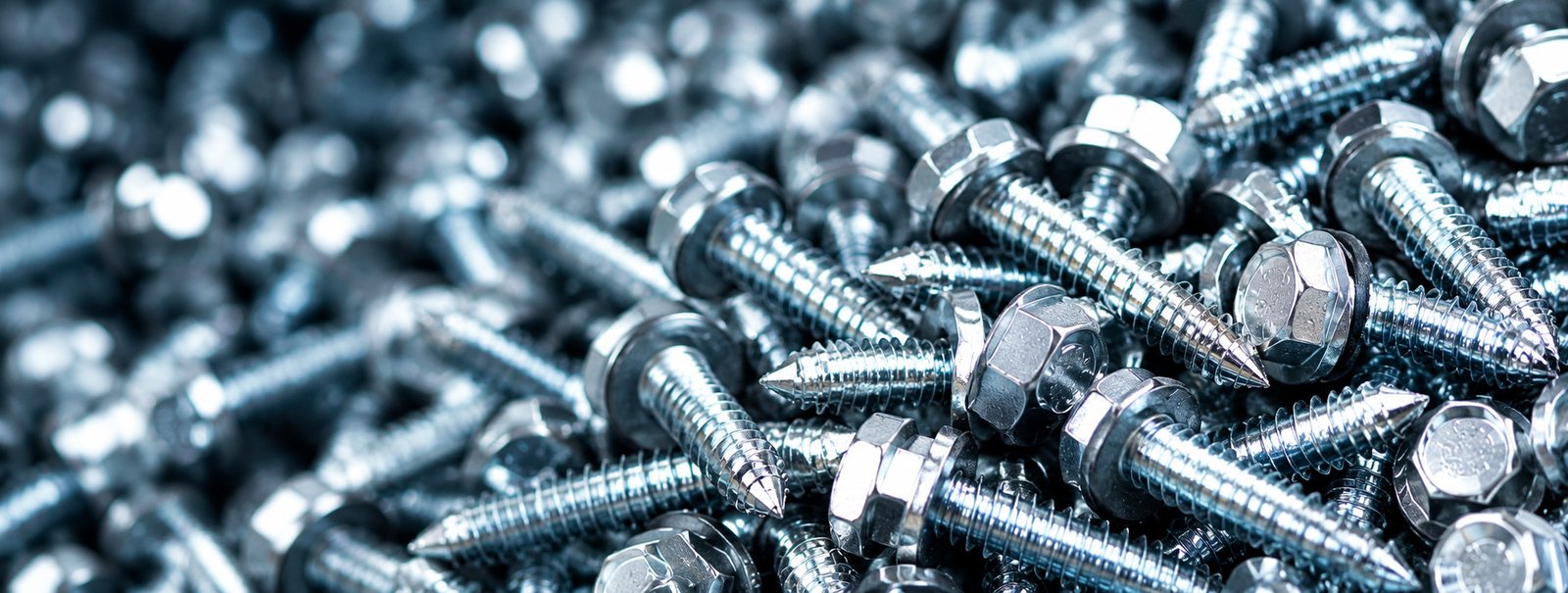
Roofing systems require reliable fasteners to maintain structural stability, prevent water infiltration, and withstand changing weather conditions. Whether installing metal roofing sheets on industrial buildings, warehouses, agricultural structures, or residential properties, selecting the correct screws is essential for long-term performance. Poor fastener selection or improper installation can cause roof leaks, loose panels, corrosion, and premature roof failure.
Self tapping screws are widely used in metal roofing applications because they create their own threads as they enter the material. Depending on their design, some variants can also drill through metal without requiring a separate pilot hole. However, choosing the right fastener involves more than selecting a screw of the correct size. Material compatibility, thread design, drilling capacity, washer selection, and installation technique all influence performance.
This technical guide explains how self tapping screws work, how to select suitable roofing fasteners, and which installation practices help improve durability. It also examines the factors affecting roofing sheet screw price to help buyers make informed purchasing decisions.
What Are Self Tapping Screws and How Do They Work in Roofing?
Self tapping screws are fasteners designed to form or cut mating threads as they are driven into a material. Unlike conventional screws that may require a pre-threaded hole, self tapping screws create the threads needed to establish a secure connection.
In roofing applications, these screws are commonly used to attach metal sheets to steel or timber supports, depending on the fastener’s design and intended application.
Understanding the Working Mechanism
The fastening process involves three primary stages:
1. Penetration: The screw tip enters the roofing sheet or supporting material. Drill-point variants can penetrate compatible metal sections without a separately drilled pilot hole, provided the material thickness falls within their specified drilling capacity.
2. Thread Formation: As the screw rotates, its threads engage with the material. Depending on the screw design, they form or cut threads that help establish a secure mechanical connection.
3. Clamping: Continued rotation draws the roofing sheet against its supporting structure. When the screw includes a suitable sealing washer, controlled compression helps prevent water from entering through the fastening point.
Common Types of Roofing Screws
Different roofing applications require different fastener designs.
- Self-tapping screws: Designed to form or cut threads in a prepared hole or compatible material.
- Self-drilling screws: Feature a drill-shaped point that creates a hole and forms threads during installation.
- Washer-head roofing screws: Often supplied with sealing washers to help protect fastening points against water infiltration.
- Corrosion-resistant screws: Manufactured with suitable protective coatings or corrosion-resistant materials for specific environmental conditions.
Understanding these differences helps buyers select appropriate roofing screws for their installation requirements.
How to Choose the Right Self Tapping Screws for Roofing Applications
Selecting the correct fastener is essential for achieving reliable attachment, effective sealing, and long-term roof performance. The best option depends on the roofing material, supporting structure, environmental exposure, and installation requirements.
1. Consider the Roofing Sheet Material
Roofing sheets may be manufactured from galvanized steel, coated steel, aluminium, or other metals. Each material has different mechanical properties and corrosion characteristics.
Choose screws that are compatible with both the roofing sheet and the supporting structure. Material compatibility is particularly important when fastening dissimilar metals because unsuitable combinations can increase the risk of galvanic corrosion.
2. Select the Correct Screw Length
Screw length determines whether the fastener can pass through the roofing sheet and engage sufficiently with the supporting material.
For metal-to-metal applications, the screw must be suitable for the combined thickness of the materials being fastened. For metal-to-timber applications, it must provide adequate thread engagement in the timber.
An excessively long screw may be unnecessary, while an undersized screw may provide insufficient engagement. Always follow the fastener manufacturer’s specifications and the roofing system’s installation requirements.
3. Choose the Appropriate Thread Design
Thread geometry influences how a screw engages with the substrate. Different thread pitches, diameters, and configurations are designed for particular materials and thicknesses.
Fine-thread screws are commonly used for suitable metal-to-metal applications, while coarse-thread designs are often selected for timber. However, the correct choice depends on the specific fastener design and substrate.
4. Evaluate the Drilling Capacity
For applications involving steel supports, self-drilling screws must have a drilling capacity appropriate for the total metal thickness.
Using a screw beyond its rated drilling capacity can cause excessive installation time, overheating, damaged drill points, or incomplete penetration. Check the manufacturer’s technical specifications before purchasing.
5. Choose Suitable Sealing Washers
Roofing fasteners frequently use bonded sealing washers, often made with EPDM or another specified sealing material.
The washer helps create a weather-resistant seal around the penetration. Its diameter, material compatibility, and compression characteristics should suit the roofing system.
What are the best screws for sheet metal?
The best screws for sheet metal depend on the sheet thickness, supporting material, environmental conditions, and required sealing performance. For metal roofing, appropriately sized self-drilling or self-tapping screws with compatible corrosion protection and suitable sealing washers are common choices.
Drilling and Threading: Understanding Proper Screw Installation
Correct installation is as important as choosing the right screw. Even high-quality roofing sheet screws may fail when installed using unsuitable tools, excessive force, or incorrect positioning.
Step 1: Inspect the Materials
Before installation, confirm the thickness and type of the roofing sheet and its supporting structure. Check that the selected fastener is suitable for both materials.
Inspect the screws and washers for damage, deformation, or coating defects. Damaged fasteners should not be used.
Step 2: Position the Roofing Sheet Correctly
Align the roofing sheets according to the roofing system’s installation instructions. Ensure that the sheets overlap correctly and rest securely on the supporting members.
Incorrect alignment can create gaps, uneven loading, and unnecessary stress around fastening points.
Step 3: Use the Correct Driving Tool
Select a compatible screw-driving tool and bit. Adjustable-speed drills or screw guns can help maintain control during installation.
The tool’s speed and torque should follow the fastener manufacturer’s recommendations. Excessive speed can generate heat and damage the screw’s protective coating or drill point.
Step 4: Maintain Proper Screw Alignment
Drive each screw perpendicular to the intended fastening surface unless the system specifies another orientation.
Angled installation can create uneven clamping pressure and prevent the sealing washer from sitting correctly. It may also damage the threads or reduce the effectiveness of the fastening connection.
Step 5: Apply the Correct Tightening Pressure
Avoid overtightening roofing screws. Excessive pressure can deform the metal sheet, damage the sealing washer, strip the threads, or reduce the fastener’s holding strength.
Undertightening can also cause problems by leaving the sheet insufficiently secured or failing to compress the washer adequately.
The washer should be compressed according to the manufacturer’s installation guidance, without excessive deformation.
Step 6: Inspect the Completed Installation
After fastening, inspect the screw heads, washers, and surrounding roofing sheets. Confirm that the screws are properly seated and that the washers are neither loose nor excessively compressed.
Follow the roofing system manufacturer’s requirements for screw placement, spacing, and edge distances.
Common Fastening Mistakes That Can Cause Roof Leaks or Screw Failure
Roofing fastener problems often result from incorrect product selection or inconsistent installation practices. Identifying these mistakes early can reduce maintenance costs and improve roof reliability.
1. Using the Wrong Screw Type
A screw designed for timber may not provide suitable engagement in a steel support. Similarly, a fastener with insufficient drilling capacity may fail to penetrate the intended metal thickness.
Solution: Match the screw design to the roofing sheet, supporting structure, and material thickness.
2. Overtightening the Fasteners
Excessive tightening can crush the sealing washer, deform the sheet, or damage the fastening threads.
Solution: Use an appropriate driving tool and follow the manufacturer’s torque or installation guidance.
3. Undertightening the Screws
Loose screws may allow movement between the roofing sheet and its support. This movement can contribute to leaks, vibration, and premature fastener wear.
Solution: Ensure that each screw is properly seated and that its sealing washer is compressed as specified.
4. Ignoring Corrosion Resistance
Roofing systems exposed to moisture, industrial pollutants, coastal conditions, or other aggressive environments may require specialized corrosion protection.
Solution: Select fasteners with suitable coatings or corrosion-resistant materials for the expected exposure conditions.
5. Incorrect Screw Placement
Fasteners installed in unsuitable locations may compromise the roof’s sealing performance or load distribution.
Solution: Follow the roofing panel manufacturer’s instructions for fastening positions, spacing, overlaps, and support locations.
6. Reusing Damaged Fasteners
Previously installed screws may have damaged threads, worn coatings, or deformed washers.
Solution: Use new, undamaged fasteners that meet the application’s requirements, and replace defective screws using an approved repair method.
How to Improve Roofing Screw Performance, Durability, and Corrosion Resistance
Long-lasting roofing installations depend on appropriate fastener selection, correct installation, and routine inspection.
Select Suitable Protective Coatings
Roofing screws may use zinc coatings, specialized protective finishes, or other corrosion-resistant treatments. The appropriate protection depends on environmental exposure and compatibility with the roofing material.
For coastal or highly corrosive environments, standard coatings may not provide sufficient protection. Consult the manufacturer’s technical documentation when selecting fasteners for demanding conditions.
Check Compatibility Between Metals
Contact between dissimilar metals can cause galvanic corrosion under certain conditions. This risk is particularly relevant when moisture is present.
Choose fasteners and roofing materials with compatible corrosion characteristics. Where required, use an approved isolation method specified by the roofing system manufacturer.
Maintain Effective Water Sealing
Sealing washers help prevent moisture from entering through screw penetrations. However, washers can deteriorate because of ultraviolet exposure, temperature changes, chemical contact, or incorrect installation.
Inspect the roof periodically for loose screws, damaged washers, rust, and water stains. Replace deteriorated components using compatible products and approved repair procedures.
Follow the Recommended Fastening Pattern
Correct screw spacing and placement help distribute loads across the roofing system. Requirements may vary depending on wind exposure, panel profile, roof slope, and supporting structure.
Follow the project’s engineering specifications and the roofing manufacturer’s installation instructions rather than relying on a universal fastening pattern.
Conduct Routine Roof Inspections
Periodic inspections can identify loose fasteners, corrosion, damaged washers, and other early signs of deterioration.
Inspections should follow appropriate working-at-height safety procedures. Where roof access is hazardous, use qualified roofing professionals.
Roofing Sheet Screw Price: What Factors Affect the Cost?
The roofing sheet screw price varies according to fastener specifications, material quality, protective coatings, and purchase quantity. Comparing products only by their individual price may overlook important differences in performance and service life.
Key Factors That Influence Pricing
1. Material and Coating: Screws made with specialized materials or advanced corrosion-resistant coatings may cost more than standard options.
2. Size and Design: Screw diameter, length, thread configuration, drill-point design, and head style influence manufacturing costs and product pricing.
3. Sealing Washer Quality: Fasteners supplied with durable, application-specific sealing washers may have a different price from screws without washers.
4. Purchase Quantity: Bulk orders may offer different per-unit pricing compared with smaller purchases. Actual savings depend on supplier terms and order specifications.
5. Manufacturing Quality: Consistent dimensions, reliable thread formation, suitable hardness, and controlled coating quality are important considerations when comparing suppliers.
How to Choose Cost-Effective Roofing Screws
When evaluating roofing sheet screw prices, compare equivalent products with the same dimensions, material specifications, coating requirements, and washer configuration.
Consider the total cost of installation and maintenance rather than the initial purchase price alone. A suitable fastener that reduces premature failure and repair requirements may offer better long-term value.
Businesses and contractors should request current quotations, technical specifications, minimum order quantities, and delivery details from their suppliers before placing an order.
Sohan Lal Gupta offers a long-established presence in the fastener industry. Buyers seeking roofing screws or self-tapping screws should confirm the availability, specifications, and suitability of the required product directly with the supplier.
Conclusion
Self tapping screws play an important role in securing metal roofing sheets and maintaining reliable fastening connections. Selecting the correct screw requires careful consideration of the roofing material, supporting structure, thread design, drilling capacity, screw length, and corrosion protection.
Proper installation is equally important. Maintaining correct alignment, controlling tightening pressure, using suitable sealing washers, and following the recommended fastening pattern can help reduce roof leaks and premature fastener failure.
When comparing roof sheet fixing screws, roofing sheet screws, and other fasteners, buyers should evaluate technical specifications and long-term performance alongside roofing sheet screw price. Choosing application-appropriate products and following manufacturer recommendations can help improve roofing system durability and reliability.
For roofing and industrial fastening requirements, Sohan Lal Gupta can be considered as a supplier to contact for product information and specifications.
Frequently Asked Questions
1. What are self tapping screws used for in roofing?
Self tapping screws are used to create threaded connections when attaching roofing sheets to compatible supporting materials. The exact screw design depends on the substrate, sheet thickness, and application requirements.
2. What are the best screws for sheet metal roofing?
The best screws depend on the roofing sheet and supporting structure. Suitable self-drilling or self-tapping screws with appropriate dimensions, corrosion protection, and sealing washers are commonly used.
3. What is the difference between self-tapping and self-drilling screws?
Self-tapping screws form or cut threads in a material, usually in a prepared hole or compatible substrate. Self-drilling screws have a drill-point tip that can create a hole and form threads in one operation when used within their specified drilling capacity.
4. How do I prevent roof leaks around roofing screws?
Use compatible fasteners, position them correctly, and install the specified sealing washers with the recommended compression. Inspect fasteners periodically and repair damaged sealing points using an approved method.
5. What determines roofing sheet screw price?
Pricing depends on screw size, material, coating, thread design, washer configuration, order quantity, and supplier terms. Compare products with equivalent specifications before making a purchasing decision.
6. How can I improve the corrosion resistance of roofing screws?
Select fasteners with protective coatings or corrosion-resistant materials suitable for the installation environment. Ensure compatibility with the roofing sheet and follow the manufacturer’s recommendations for installation and maintenance.
For more information or professional assistance, feel free to contact our team of experts at 098181 66006.