
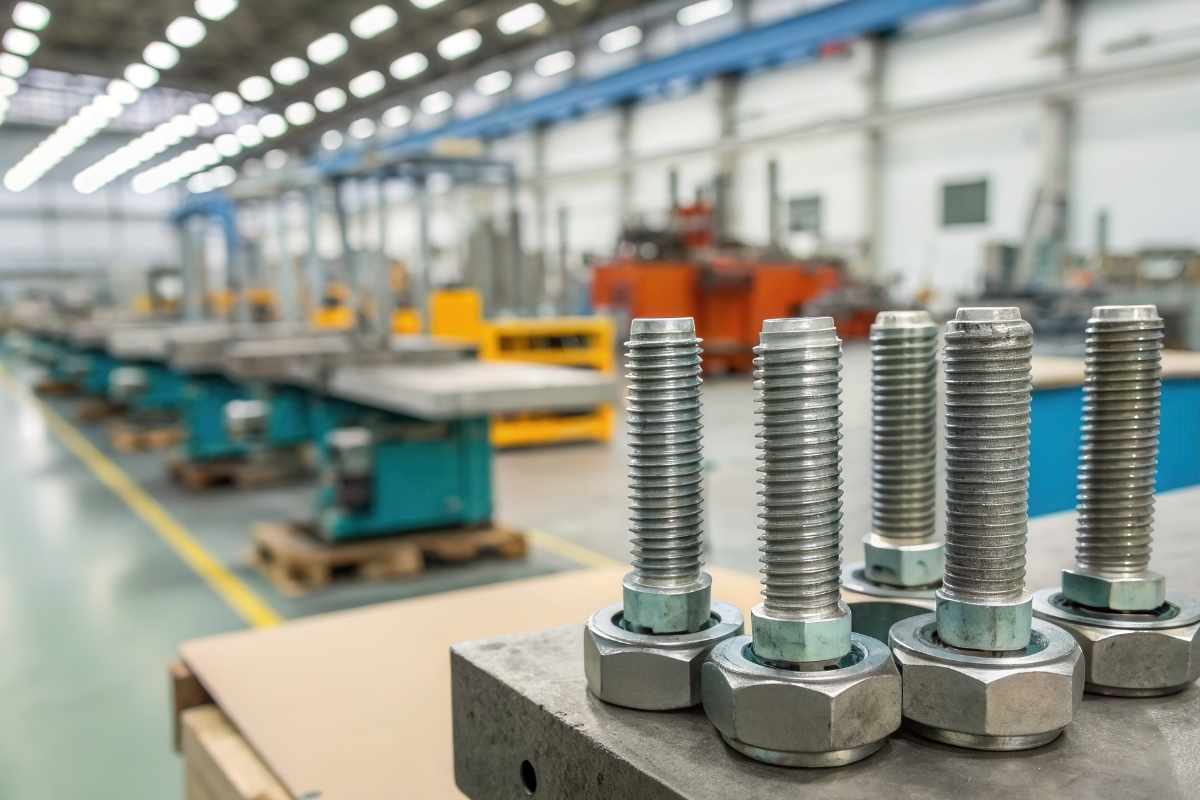
You don’t think about screws until one fails. Then you’re stuck dealing with loose panels, structural issues, or expensive repairs. The reality? Fasteners do more work than most people realise, and the gap between a screw lasting 30 years and one failing in 5 comes down to manufacturing quality.
A roof fastener that’s too soft strips during installation. One that’s too brittle snaps under pressure. Getting this balance right, across millions of units, takes real engineering and careful quality control. In this blog post, we’ll explore the processes and techniques screw manufacturers use to ensure every fastener type meets high standards of strength, durability, and precision, so you can trust that the screws holding your home or projects together won’t let you down.
Why Raw Material Selection Matters?
The metal itself is about 60% of what makes a fastener type reliable. Pick the wrong alloy, and no manufacturing tricks will fix it.
Stainless Steel for Weather Resistance
Stainless costs more upfront, but there’s a good reason it dominates outdoor work. Carbon steel exposed to weather for a year? Rust everywhere. Stainless in the same conditions? Barely touched. For roof fasteners facing rain, snow, and temperature swings, stainless steel is worth the premium.
Carbon Steel for Indoor Applications
When cost matters and weather isn’t a factor, carbon steel makes sense. Interior framing, furniture, and general construction—none of these need stainless pricing. You get the strength without the extra expense.
Alloy Steel for Heavy-Duty Work
Engineers specify alloy steel when serious loads are involved. Heat treatment pushes these roof fasteners to hardness levels that regular steel can’t reach. Industrial machinery, high-rise connections, bridge work—that’s where alloy steel pays off.
Specialty Materials
Brass and copper handle specific situations. Electrical work needs non-magnetic options. Decorative projects want certain appearances. They’re not everyday materials, but they solve problems other metals can’t.
Quick Material Guide:
| Material | Best For | Common Uses |
| Stainless Steel | Weather exposure | Roofing, coastal areas, outdoor installations |
| Carbon Steel | Indoor protection | Furniture, interior framing, dry environments |
| Alloy Steel | Maximum strength | Heavy equipment, structural connections |
| Brass/Copper | Special requirements | Electrical panels, decorative hardware |
Manufacturers cutting corners on materials always get caught eventually. Fasteners fail in the field, warranty claims pile up, reputations take hits. Quality starts with the right metal.
Manufacturing Processes That Build Strength
Ask any credible screw manufacturer, and they’ll tell you that great raw material means nothing if manufacturing is sloppy.
Cold Forging Creates Stronger Fasteners
Cold forging shapes steel under extreme pressure without heat. This aligns the internal grain structure with the fastener’s shape, making it significantly stronger than machined alternatives. You can’t see it, but load testing shows the difference clearly.
Heat Treatment Controls Performance
Heating screws to precise temperatures, then cooling them on specific schedules—done right, you get roof fasteners hard enough to resist stripping yet tough enough not to shatter. Mess up the temperature or cooling rate? You get brittleness or weak threads. No middle ground exists here.
Thread Rolling vs. Cutting
Thread cutting removes metal and creates potential stress points. Thread rolling deforms metal instead, work-hardening the surface while keeping the grain structure intact. For fasteners subject to repeated stress—such as those on vibrating machinery—rolled threads last considerably longer.
Surface Coatings Prevent Corrosion
- Zinc plating provides a sacrificial layer that corrodes first
- Galvanisation creates a metallurgical bond for serious protection
- For roof fasteners facing decades of weather, proper coating selection determines success or early failure
Quality Control That Actually Matters
Impressive equipment means nothing without verification. Some operations with advanced machinery still produce inconsistent products because no one properly checks the output.
Key Testing Methods:
Tensile Testing
Fasteners get pulled apart in machines that measure exact failure points. A 5,000-pound-rated fastener should fail above that threshold with a safety margin built in. This isn’t theory—samples get destroyed to confirm specifications.
Torque Testing
A screw might have excellent strength but strip during installation. Testing confirms threads handle installation torque without damage—critical for roof work twenty feet up.
Corrosion Testing
Salt spray chambers and humidity cycles simulate decades of outdoor use in compressed timeframes. Roof fasteners that look identical when new reveal their true quality after 500 hours of acceleration
Dimensional Checks
Ordering 10,000 fasteners? You expect a consistent fit with your tools and identical performance. Variations in thread pitch, head size, or length create installation headaches and waste time on site.
Precision Engineering in Fastener Dimensions
Manufacturing tolerances surprise most people. A few thousandths of an inch determines whether products work correctly.
Critical Precision Points:
| What Gets Measured | Tolerance Range | What Happens If Wrong |
| Thread pitch | ±0.002 inches | Cross-threading, stripping, won’t engage |
| Head geometry | ±0.003 inches | Bits slip, heads strip, installation frustration |
| Length | ±0.015 inches | Substrate damage or inadequate engagement |
| Straightness | 0.010″ per inch | Won’t feed through tools, binds in holes |
Thread Pitch Consistency
Installing thousands of fasteners with random binding or stripping? That’s what happens without precision threading equipment maintaining tight tolerances.
Head Geometry
A drive recess 0.005 inches too shallow won’t grip bits properly. Too deep creates weak points that fail under installation torque. This requires careful tool maintenance and regular checks.
Length Matters More Than Expected
Roof fasteners running long punch through substrates and potentially damage the waterproofing underneath. Short ones don’t develop full thread engagement and pull out under load.
According to the top screw manufacturer, these precision requirements directly impact job costs in ways that aren’t obvious until you’re installing. Fasteners working cleanly and consistently save hours of labour and reduce waste from damaged materials.
Industry Standards You Should Know
Standards exist because fastener failures used to kill people regularly. Modern specs represent decades of engineering analysis rolled into minimum performance requirements.
ISO 9001 Certification
Shows that a screw manufacturer has documented quality management in place. Doesn’t guarantee perfection, but means processes exist to catch problems before shipping. Without ISO certification? You’re gambling.
ASTM Specifications
Define the exact properties that different fastener types must have. When structural drawings call out specific ASTM grades, those fasteners need defined tensile strength, hardness, and material composition. Using non-compliant substitutes? Liability falls on whoever made that call.
BIS Certification
Matters specific to India regarding regulatory compliance. Beyond checking boxes, BIS standards ensure fasteners meet baseline safety and performance for local conditions.
These certifications cost money to get and maintain. Companies that invest in compliance signal they’re serious about quality and willing to accept external verification.
Choosing the Right Fastener Type
Different jobs need different fastener types. Wrong choices don’t just waste money—they compromise performance in ways that might not show up for years.
Common Fastener Applications:
Roof Fasteners:
Include sealing washers, specific thread profiles for sheet metal, and coatings engineered for weather exposure. Standard screws save money initially but eventually lead to leaks.
Wood Screws:
In most cases, aggressive threads grip lumber without pilot holes. Tapered shanks reduce splitting. Try machine screws in wood to understand why specialised designs exist.
Machine Screws & Bolts:
Create the strongest connections in metal-to-metal or concrete applications. Depend on precise thread engagement. Handle the highest loads where failure isn’t acceptable.
Self-Tapping Screws:
Cut their own threads during installation, eliminating the need for pre-drilling. Speed up installation significantly with sheet metal or plastics. Time savings directly reduce labour costs on projects with thousands of installations.
Why Manufacturer Reputation Matters
Specifications on paper mean nothing if manufacturers can’t consistently deliver products meeting them. Track record becomes critical here.
Established screw manufacturers have invested in testing equipment, process controls, and quality systems, producing consistent results. Small operations might make excellent fasteners—or might not. With established suppliers, you’re buying predictability.
Manufacturing experience means companies have seen various failure modes and understand the causes. That knowledge feeds back into design and production, creating fasteners that avoid common problems. New manufacturers? Still learning these lessons, often at customers’ expense.
Building with Confidence
Every project depends on thousands of fasteners performing without drama. When they work, nobody notices. When they fail, everyone does—usually at great expense and inconvenience.
The cost difference between high-quality and cheap fasteners seems significant when reviewing bids. That perspective changes dramatically when dealing with callbacks, structural repairs, or liability claims. Quality fasteners aren’t expensive—they’re appropriately priced for their job.
As a leading screw manufacturer, SLG Fasteners produces fastener types that combine the right materials, controlled manufacturing, and thorough quality verification. Our products deliver the reliability your projects need without the premium pricing some manufacturers demand.
Ready to secure quality fasteners for your construction projects? Check out SLG Fasteners’ product range today—before learning the expensive way why roof fastener quality matters.
Contact us at +91-8826176665 to schedule an appointment with our team today.